Festival · Late August
Museumsuferfest (Museum Embankment Festival)
For three days in late August, Frankfurt turns the river into a stage. Museums on both banks of the Main open their doors, bands play in front of the skyline, and the whole embankment becomes one long promenade.
The Museumsuferfest is Frankfurt's biggest cultural weekend and one of the largest festivals of its kind in Europe. The setting does a lot of the work: the Museumsufer, the museum embankment, is a row of major institutions strung along the south bank of the Main, with the banking skyline rising directly across the water. For three days the riverbanks fill with stages, food stands and crowds moving between exhibitions.
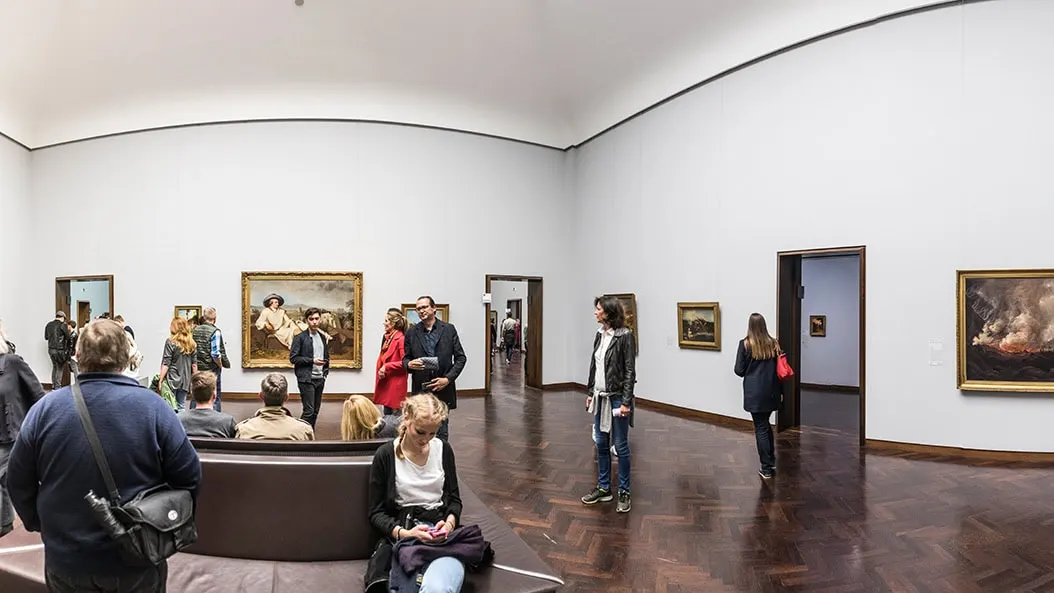
Essentially every museum that matters in Frankfurt takes part. The Städel Museum, the Museum für Moderne Kunst, the Historisches Museum, the Deutsches Filmmuseum, the Weltkulturen Museum, the Ikonenmuseum, the Museum Judengasse and the Kindermuseum all open up and put their collections on show. The Schirn Kunsthalle and the Museum Angewandte Kunst run special tours, and the Liebieghaus brings out its sculpture collection and adds workshops. Across the art museums you will find family tours, kids-only programs and open studios where you can see how a museum works behind the scenes.
Some of the smaller venues are the reason to come back. The Museum für Komische Kunst at the Weckmarkt shows caricature, sharp enough that the laugh sometimes catches in your throat. The Bibelhaus Erlebnismuseum on Metzlerstraße takes the opposite tone and opens its garden tea room on warm days. The Geldmuseum, run by Germany's central bank, hands out quizzes, lets you strike a souvenir medal and shows you how to spot counterfeit bills, with a puzzle corner and a money-shredding game for children.
Two stops are pure local color. The Eintracht Frankfurt Museum, dedicated to the city's soccer club, runs drawing contests for kids and raffles off tickets to a Bundesliga match. The cathedral offers guided tours during the festival, including tours designed for children, explaining how the church was built and why it mattered to the Holy Roman Empire.
Frankfurt's most famous son gets his own share of the program. Johann Wolfgang von Goethe was born on August 28, 1749 in the house on the Großer Hirschgraben, and the Goethe House opens for tours during the festival, including intercultural walks and a costumed tour. Standing in the rooms where he spent his childhood is a different experience from reading about them.
For families, the Kinder Kultur Wiese is the anchor: a meadow programmed with singing, dancing, a clown, a ventriloquist and a puppet theater tent, plus painting stations scattered around. A detailed children's program and a booklet of scavenger-hunt questions about the museums are available from the Tourist Information at the Römer, which is also the easiest place to pick up a festival map.
What makes the weekend work is the mix. It is not only the museums, it is the atmosphere along the water, the music, the entertainment and the food, all of it free to walk through. If you want to get to know Frankfurt's museum scene in one visit, this is the shortcut.